
Composition and NPK Specs
Understanding Lab-Tested Vermicompost Quality for Soil Amendment Applications
VERMICOMPOST
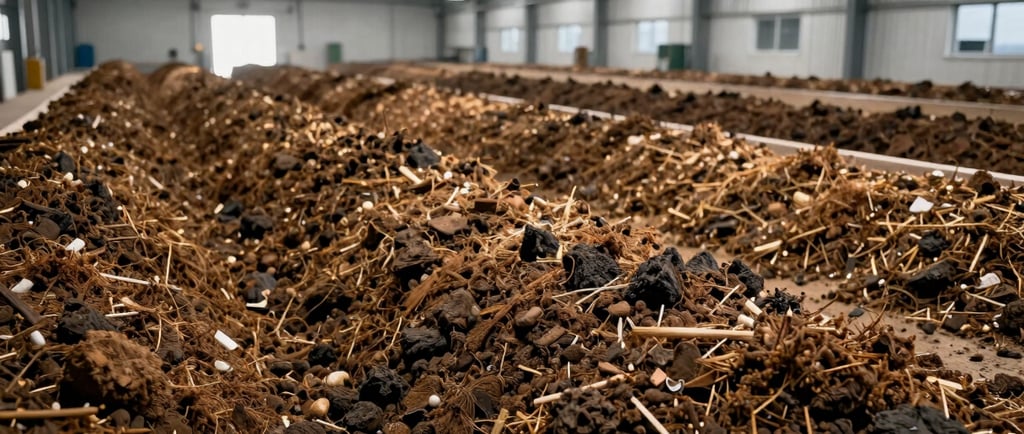
Composition and NPK Specs: Understanding Lab-Tested Vermicompost Quality for Soil Amendment Applications
Introduction
Organic farming and sustainable agriculture are rapidly growing across global markets, increasing the demand for high-quality vermicompost. However, not all vermicompost products offer the same nutrient value or soil performance. This is why understanding composition reports, NPK specifications, and moisture standards is essential for farmers, distributors, exporters, and agricultural buyers.
Lab-tested vermicompost provides verified information about nutrient content, organic matter, moisture levels, and soil enhancement capability. These reports help buyers evaluate product quality and suitability for agricultural applications.
As a trusted organic vermicompost supplier, Akshar Global Exports focuses on supplying nutrient-rich vermicompost with quality-tested composition standards suitable for domestic and export markets.
What is Vermicompost Composition Analysis?
Composition analysis is a laboratory testing process used to determine the nutritional and physical properties of vermicompost. These reports verify whether the compost meets agricultural quality standards and soil application requirements.
A standard vermicompost composition report usually includes:
NPK values
Organic carbon content
Moisture percentage
pH level
C:N ratio
Micronutrient composition
Electrical conductivity
Heavy metal limits
These parameters help determine the effectiveness of vermicompost as a soil amendment and organic fertilizer.
Understanding NPK in Vermicompost
NPK stands for:
Nitrogen (N)
Phosphorus (P)
Potassium (K)
These are the three primary nutrients required for plant growth and soil fertility.
Nitrogen (N)
Nitrogen supports:
Leaf growth
Chlorophyll production
Plant vigor
Protein synthesis
Adequate nitrogen helps plants develop healthy green foliage and improves crop productivity.
Phosphorus (P)
Phosphorus is essential for:
Root development
Flowering
Seed formation
Energy transfer within plants
Good phosphorus levels improve root strength and crop establishment.
Potassium (K)
Potassium contributes to:
Disease resistance
Water regulation
Fruit quality
Stress tolerance
Potassium helps plants withstand environmental stress and improves overall crop quality.
Typical NPK Ratios in Quality Vermicompost
Lab-tested vermicompost generally contains balanced nutrient levels suitable for various agricultural applications.
Common approximate ranges include:
Nitrogen (N): 1.0% – 2.0%
Phosphorus (P): 0.5% – 1.5%
Potassium (K): 0.5% – 1.5%
Actual values may vary depending on:
Raw materials used
Composting process
Earthworm species
Moisture management
Organic feedstock quality
Higher nutrient consistency usually indicates better-quality vermicompost production practices.
Importance of Lab Verification
Lab verification ensures that nutrient claims are accurate and reliable.
Benefits of lab-tested vermicompost include:
Consistent nutrient supply
Improved buyer confidence
Better crop planning
Export compliance
Reduced risk of contamination
For commercial farming and export markets, buyers often request:
Composition test reports
Quality certificates
Organic compliance documents
Moisture analysis reports
Moisture Thresholds in Vermicompost
Moisture content is one of the most important physical parameters in vermicompost quality assessment.
Ideal Moisture Range
High-quality vermicompost usually maintains controlled moisture levels that support:
Nutrient stability
Better shelf life
Easy handling
Reduced microbial spoilage
Excess moisture can lead to:
Foul odor
Reduced storage life
Transportation issues
Fungal growth
Nutrient degradation
Very low moisture may reduce microbial activity and biological effectiveness.
Balanced moisture levels are essential for maintaining compost quality during storage and transportation.
Understanding Organic Carbon Content
Organic carbon is a major indicator of soil enrichment capability.
Benefits of high organic carbon:
Improved soil structure
Better water retention
Enhanced microbial activity
Increased nutrient availability
Improved soil aeration
Organic carbon plays a crucial role in restoring soil fertility and improving long-term agricultural productivity.
Importance of C:N Ratio
The Carbon-to-Nitrogen ratio (C:N ratio) measures the balance between carbon and nitrogen within compost material.
An ideal C:N ratio supports:
Faster nutrient release
Better microbial decomposition
Healthy soil biology
Efficient plant nutrient uptake
Poor C:N balance may affect nutrient availability and compost maturity.
pH Standards in Vermicompost
pH determines whether the compost is acidic, neutral, or alkaline.
Balanced pH levels help:
Improve nutrient absorption
Support microbial growth
Enhance root development
Reduce soil stress
Most quality vermicompost products maintain a near-neutral pH suitable for a wide range of crops and soil conditions.
Micronutrients in Vermicompost
In addition to NPK, vermicompost also contains essential micronutrients such as:
Calcium
Magnesium
Zinc
Iron
Copper
Manganese
These micronutrients contribute to:
Better plant metabolism
Improved crop quality
Enhanced resistance to deficiencies
Stronger plant development
How to Read a Vermicompost Test Report
A standard composition report may include multiple laboratory parameters. Buyers should focus on the following key indicators:
NPK Values
Check whether nutrient percentages meet crop and soil requirements.Moisture Percentage
Ensure moisture levels are balanced for storage and transport.Organic Carbon
Higher organic carbon generally indicates better soil conditioning capability.pH Level
Look for balanced pH suitable for agricultural application.C:N Ratio
A stable ratio indicates mature and properly processed compost.Absence of Contaminants
Good-quality vermicompost should be free from:
Plastic particles
Chemical residues
Heavy metals
Harmful pathogens
Applications of Vermicompost in Soil Amendment
Vermicompost is widely used in:
Organic farming
Horticulture
Greenhouse cultivation
Fruit farming
Vegetable production
Landscaping
Soil rehabilitation projects
Benefits for soil amendment include:
Improved soil texture
Increased microbial activity
Better nutrient retention
Enhanced water holding capacity
Sustainable crop productivity
Why Quality Testing Matters for Export Markets
International buyers increasingly prefer lab-tested organic fertilizers due to:
Regulatory compliance
Quality assurance
Consistent nutrient performance
Safer agricultural application
Import documentation requirements
Export-quality vermicompost suppliers often provide:
Lab analysis reports
Product specifications
Moisture certification
Packaging details
Bulk shipment support
Choosing the Right Vermicompost Supplier
Before purchasing vermicompost, buyers should evaluate:
Nutrient consistency
Laboratory testing practices
Moisture control standards
Packaging quality
Production capacity
Export capability
Reliable suppliers maintain:
Quality-controlled production
Proper curing processes
Hygienic packaging
Transparent lab documentation
Conclusion
Understanding composition analysis, NPK specifications, and moisture standards is essential for selecting high-quality vermicompost for agricultural and soil amendment applications.
Lab-tested vermicompost provides greater confidence in nutrient consistency, crop performance, and long-term soil improvement. Parameters such as nitrogen, phosphorus, potassium, organic carbon, moisture content, and pH directly influence compost effectiveness and agricultural productivity.
As demand for sustainable farming solutions continues to rise, quality-tested vermicompost plays an increasingly important role in improving soil health and supporting eco-friendly agriculture worldwide.
Akshar Global Exports supplies premium organic vermicompost with quality-focused production, export-ready packaging, and reliable bulk supply solutions for global agricultural markets.